Your Preferred General Contractor for Superior Home Improvements
A reputable general contractor fulfills a critical role in home improvements. Their expertise ensures projects are finished with accuracy and attention. By focusing on quality materials and craftsmanship, they enhance both appearance and value. Transparent communication and thorough preparation are vital for a seamless experience. However, many property owners overlook key factors when choosing a builder. Recognizing what to emphasize can create all the difference in achieving a quality remodel. What should property owners think about first?
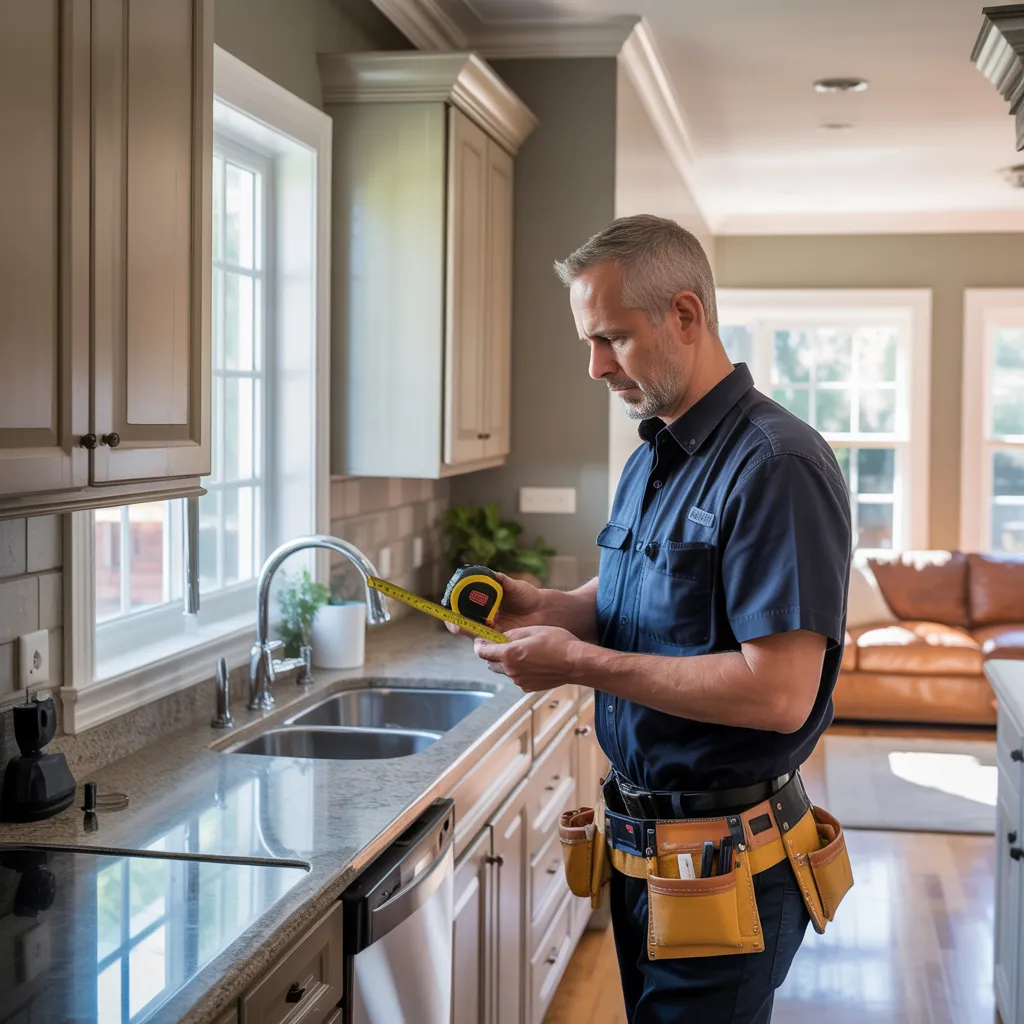
Key Things to Evaluate When Choosing a Trustworthy General Contractor
When launching a home renovation initiative, how can one assure they opt for a solid contractor? First, people should seek recommendations from friends, family, or online reviews to pinpoint potential candidates. It is essential to verify credentials, encompassing licenses and insurance, verifying the contractor meets local regulations. Next, reviewing prior assignments through showcases or recommendations furnishes clarity into the professional's excellence and dependability.
Additionally, collecting multiple estimates can assist in evaluating appropriate pricing and work timelines. Communication aptitude are also necessary; a service provider should be engaging and responsive to inquiries. Further, a robust contract specifying project scope, duration, and payment terms shields both involved parties. In conclusion, trust your intuition; if a professional appears inexperienced or evasive, it may signal future issues. By following these guidelines, property owners can significantly improve their probability of selecting a dependable general contractor, enabling accomplished home improvement initiatives.
Why a Local General Contractor Represents Your Best Preference
Going with a local contractor can greatly improve the success of home improvement endeavors. Local contractors possess invaluable understanding of the area, such as building codes, rules, and zoning restrictions, ensuring adherence and efficiency. Their well-established relationships with vendors and contractors can deliver superior rates and timely access to supplies and experienced professionals.
In addition, local tradespeople often have a name to protect within the area, prompting them to deliver excellent workmanship. This sense of accountability fosters faith and assurance among homeowners.
Furthermore, being nearby makes possible easier communication and swift response times, which are essential during a project. Homeowners may also request referrals from neighbors or friends who have hired the contractor before, offering peace of mind. Overall, choosing a local general contractor does not just support the community but also boosts the overall quality and experience of home improvement endeavors.
Your Complete Step-by-Step Guide to Residential Upgrade Experience
Starting a home improvement project demands thoughtful preparation and execution. Creating a project timeline is vital to guarantee that work items are finished promptly, while choosing premium supplies can greatly influence the project's outcome. This resource will detail these important steps to help homeowners navigate their improvement journey effectively.
Design Your Initiative Schedule
A properly designed project schedule is important for achieving successful home renovations, confirming that each phase is performed productively. To commence, property owners should set the project's boundaries, describing specific objectives and expected outcomes. Then, they should speak with their general contractor to determine a realistic timeframe based on the project's complexity and required tasks. Breaking down the project into smaller phases allows for improved oversight and changes as needed. It is also vital to prepare for potential setbacks, such as weather conditions or supply chain issues, which could impact the schedule. Regular check-ins with the contractor can help keeping the project moving forward. Ultimately, a well-defined timeline fosters conversation and clarifies expectations, resulting in a more efficient residential improvement experience.
Examining Superior Resources
choosing superior materials considerably determines the results of home improvement works. To begin, residents should determine the particular wants of their undertaking, considering aspects such longevity, visual quality, and spending limits. investigating diverse material selections is essential; this involves understanding the strengths and weaknesses of individual option alternatives. speaking with practitioners can provide valuable perspective into trustworthy makers and providers.
Next, homeowners should ask for samples to evaluate the look and feel of materials firsthand. Comparing prices across different suppliers can help ensure competitive pricing without compromising quality. Finally, confirming that materials meet local construction regulations is crucial for safety and compliance. By carefully choosing materials, property owners can enhance both the lifespan and visual appeal of their upgrades, ultimately adding value to their property.
Express Your Vision Like a Expert
Successful home improvements often turn on the ability to express a clear vision. Homeowners should express their perspectives, predilections, and suppositions, ensuring that they convey their desires effectively to their general contractor. A well-defined framework not only helps in aligning the contractor's plans with the homeowner's goals but also simplifies the evaluation process.
Visual aids such as sketches or mood boards can substantially boost communication processes. They offer a physical example that demonstrates style, color schemes, and layout preferences. Additionally, participating in frank discussion fosters collaboration, allowing the contractor to ask clarifying questions and provide insights.
Establishing realistic schedules and financial allocations is equally crucial. Property owners should be ready to discuss constraints transparently to avoid miscommunications later. Ultimately, communicating a plan with clarity and assurance strengthens both sides, laying the groundwork for effective project execution and gratifying results in home improvement projects.
The Relevance of Excellent Supplies and Professional Craftsmanship
When it comes to home improvements, the choice of sturdy materials greatly impacts the durability and performance of a project. Just as critical is the importance of expert workmanship, which guarantees that these materials are employed efficiently. Combined, premium materials and expert workmanship produce results that stand the test of time.
Robust Material Process
A well-considered assortment of durable materials can profoundly influence the longevity and appearance of home improvements. Superior materials not only boost the visual appeal of a space but also guarantee that renovations withstand the test of time. Homeowners should prioritize materials with recognized durability, such as hardwood, stone, and high-grade metals, which combat wear and tear and environmental damage. Moreover, picking materials fitting to the local climate can avert issues like rot or corrosion. Investing in resilient options may require a higher upfront cost, but the long-term benefits—fewer repairs and replacements—make it a sound choice. Ultimately, the right materials contribute to a home's value and overall satisfaction for years to come.
Talented Craft Work: Its Value
Quality workmanship serves as a important component in the prosperity of home upgrades, supporting the choice of robust materials. Expert artisans confirm that all aspects of a project are performed with precision, boosting both utility and aesthetic quality. Meticulous attention in construction, from framing to finishing touches, greatly enhances the life span and reliability of home features. Quality execution not only shows a dedication to excellence but also prevents future complications, such as structural defects or aesthetic imperfections. Additionally, seasoned contractors recognize the complexities of various materials, confirming they are leveraged optimally. Ultimately, investing in skilled craftsmanship produces a more fulfilling and durable outcome, raising the overall worth of the home and the homeowner's contentment.
Standard Remodeling Pitfalls and Strategies for Avoiding Them
Many property owners encounter pitfalls during remodeling projects that can result in costly delays and disappointment. One common mistake is underestimating the budget. Without a detailed financial plan, unexpected expenses can quickly arise, jeopardizing the project. Additionally, failing to secure required approvals can cause fines and project halts, hindering the remodeling effort.
Another common mistake is hurrying the process of making decisions. Hasty choices concerning layout and design can lead to disappointment down the road. Homeowners often neglect the significance of employing experienced professionals, which can compromise the workmanship and safety requirements.
In the end, failing to communicate efficiently with building professionals can produce misunderstandings and unsatisfied expectations. To sidestep these challenges, homeowners should prioritize meticulous preparation, secure the needed permits, hire experienced professionals, and maintain clear communication throughout the construction project. By resolving these frequent mistakes, homeowners can guarantee a easier and more gratifying renovation experience.
What Products Should You Choose for Your Renovation?
How can property owners ensure they select the right materials for their renovation projects? First, they should assess the particular requirements of the space, considering elements like practicality, aesthetics, and longevity. Exploring different options is essential; homeowners should evaluate options according to their appropriateness for the planned purpose and local climate conditions.
Working with a dependable construction expert can supply useful recommendations about product choices, guaranteeing that picks correspond with both cost parameters and style vision. Furthermore, house owners should highlight environmental consciousness by researching green materials that reduce environmental damage.
Finally, evaluating samples can help in making informed choices, allowing homeowners to visualize how materials will appear and feel in their space. By adhering to these guidelines, homeowners can securely select materials that enhance their renovation while ensuring quality and longevity.
Often Inquired Matters
How Should I Authenticate a Contractor's Licenses and Policies?
To confirm a contractor's licenses and insurance, one can review state licensing boards and insurance providers. Additionally, obtaining duplicates of licenses and insurance paperwork provided by the contractor guarantees authenticity and compliance with regulations.
What Span Should You Expect for Typical Residential Renovation Initiatives?
The standard schedule for residential renovation undertakings differs, often spanning from a few weeks to several months, based on project complexity, size, and necessary permits. Communication with the builder can help create a more precise schedule.
Can I remain in My Home Throughout Renovations?
Yes, one can reside in a home during renovations, though it often depends on the scope of the project. Minor renovations may permit continued habitation, while extensive work might necessitate temporary relocation for safety and comfort.
What Payment Methods Do Contractors Generally Accept?
Contractors typically accept a range of payment methods, including cash, checks, credit cards, and digital payment platforms. Some may also offer financing solutions, allowing clients flexibility in managing renovation costs and payment schedules.
How Do I Manage Disputes With My Contractor?
To handle contractor conflicts, one should communicate with clarity, document all interactions, and pursue settlement via discussion. If not settled, arbitration or court proceedings may be necessary to protect guide one's interests effectively.